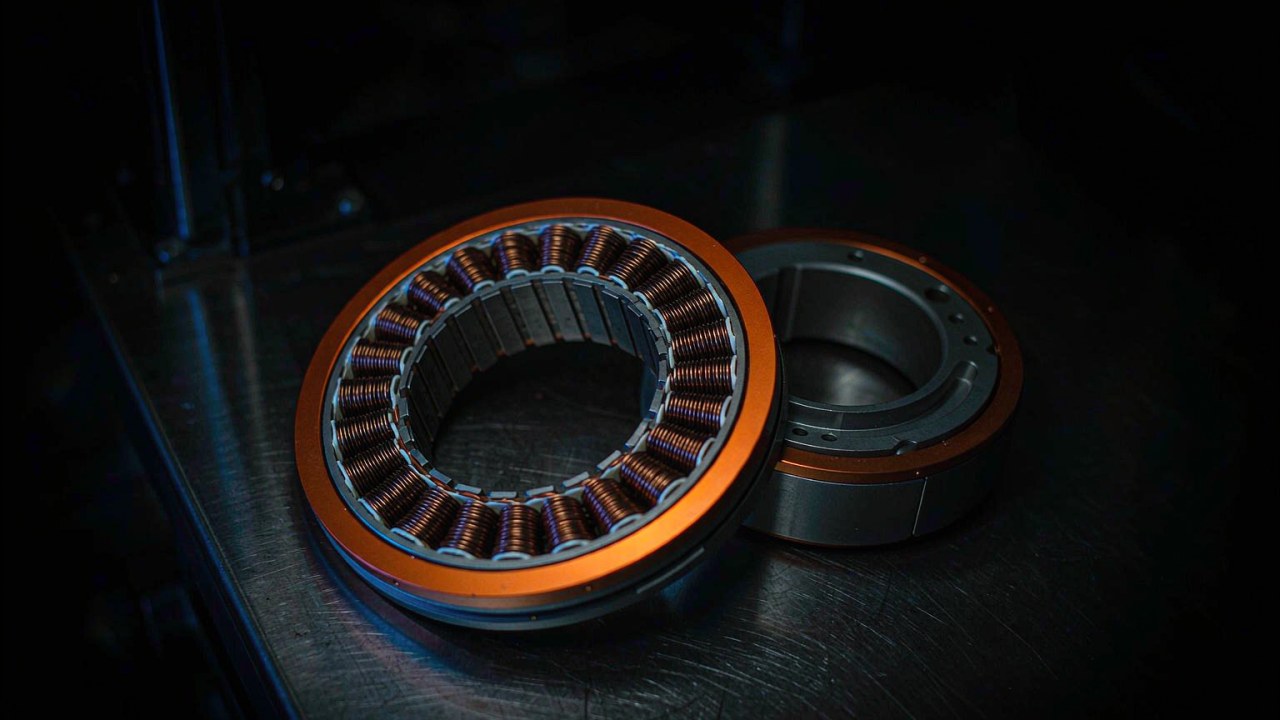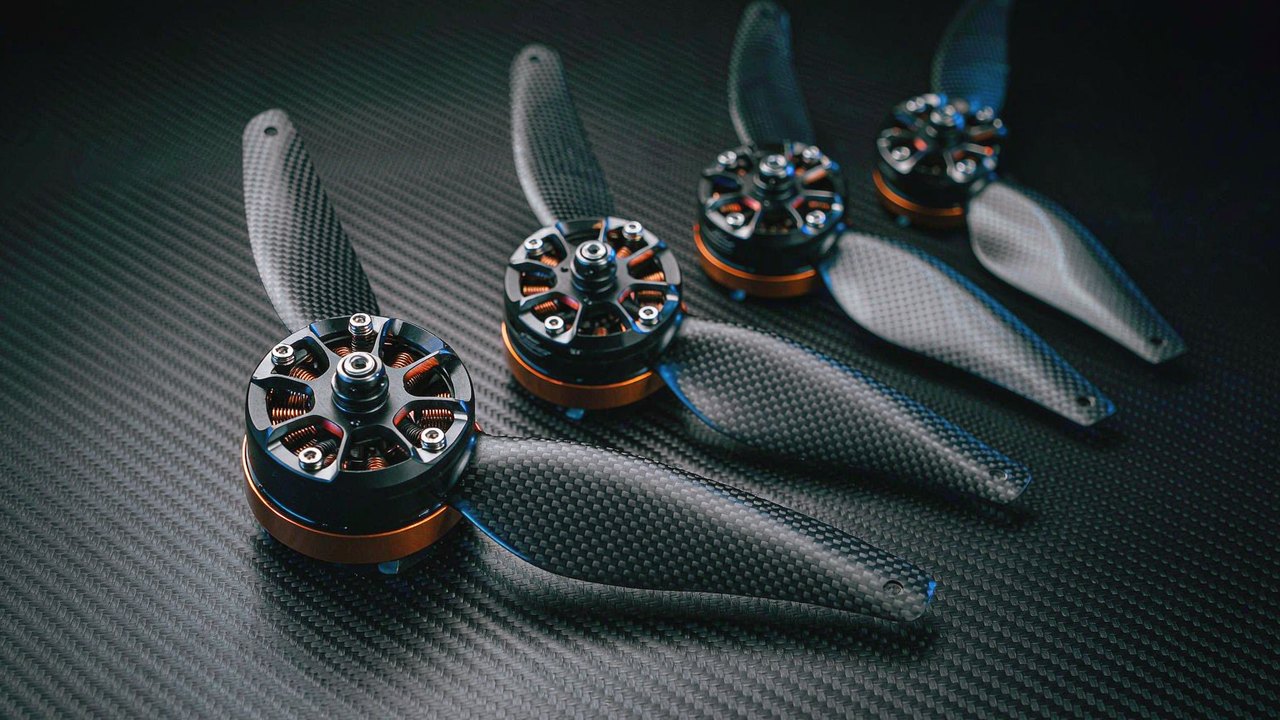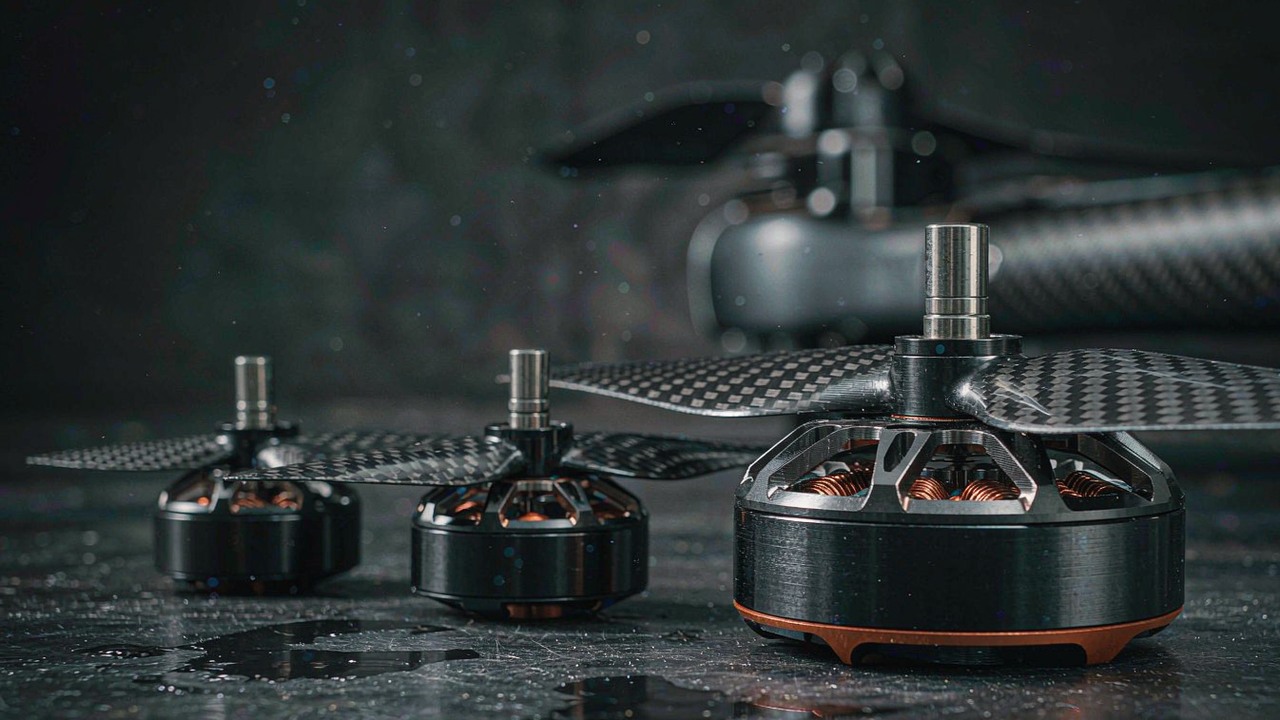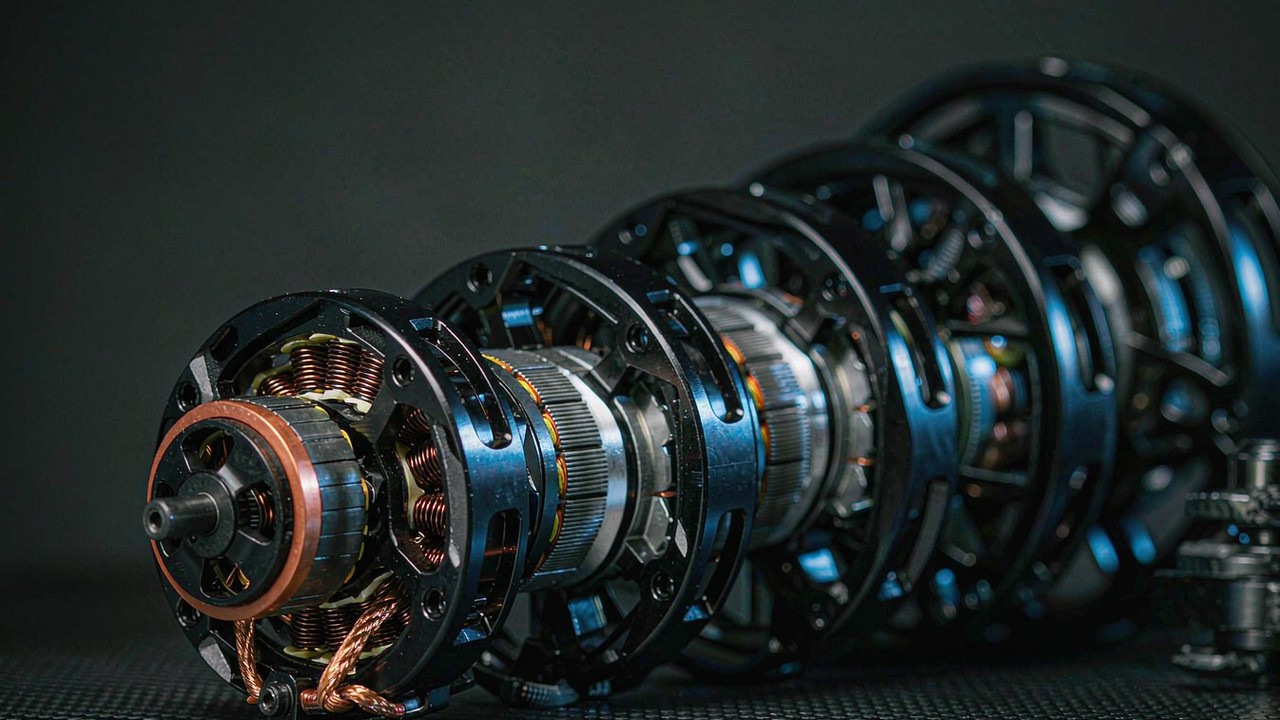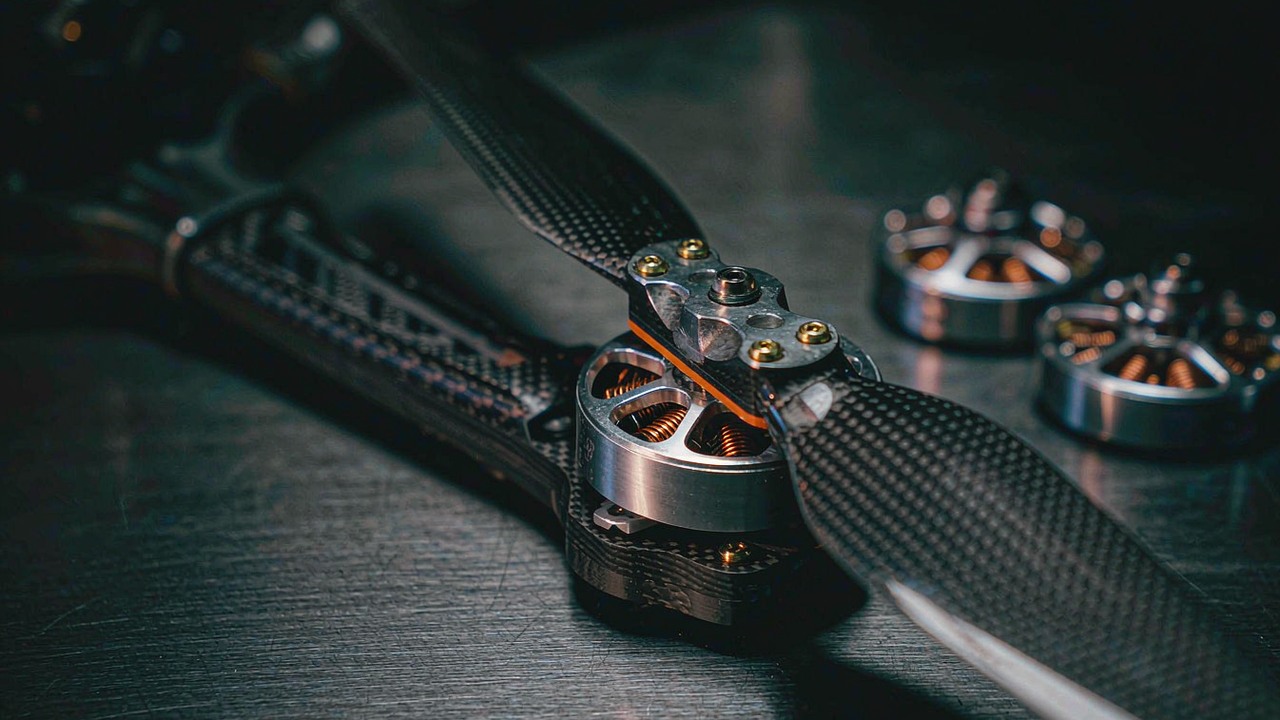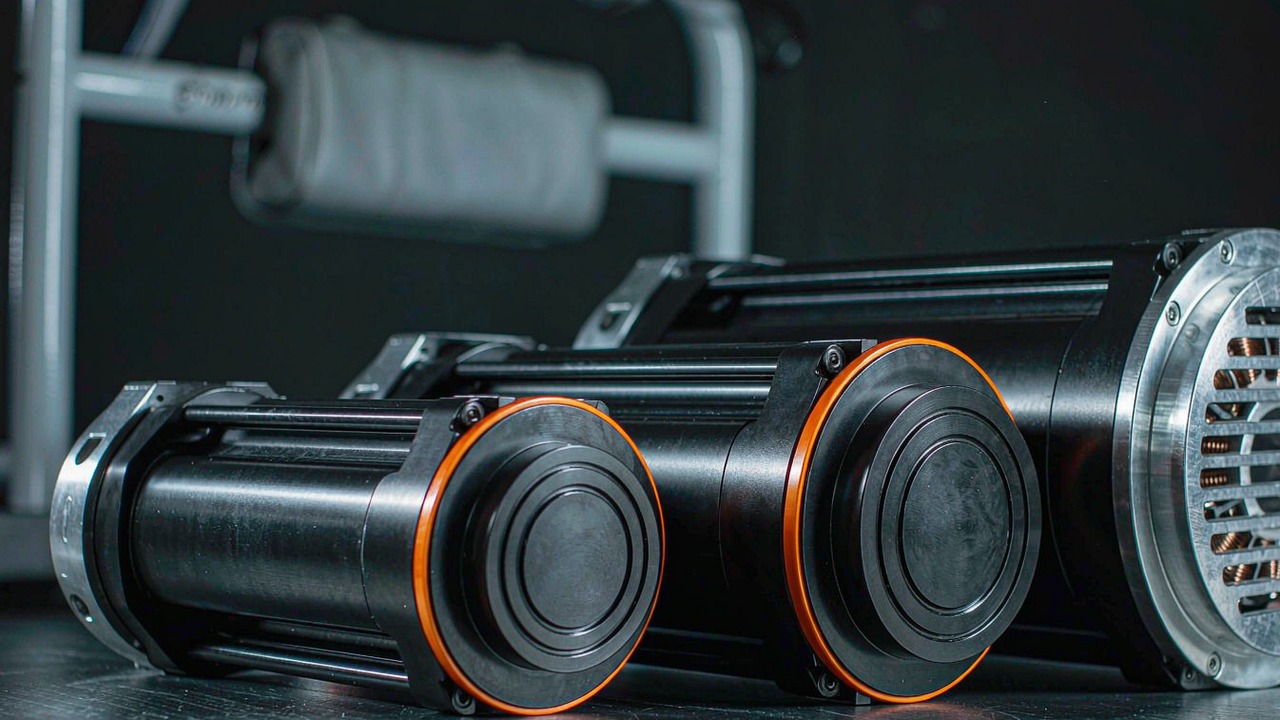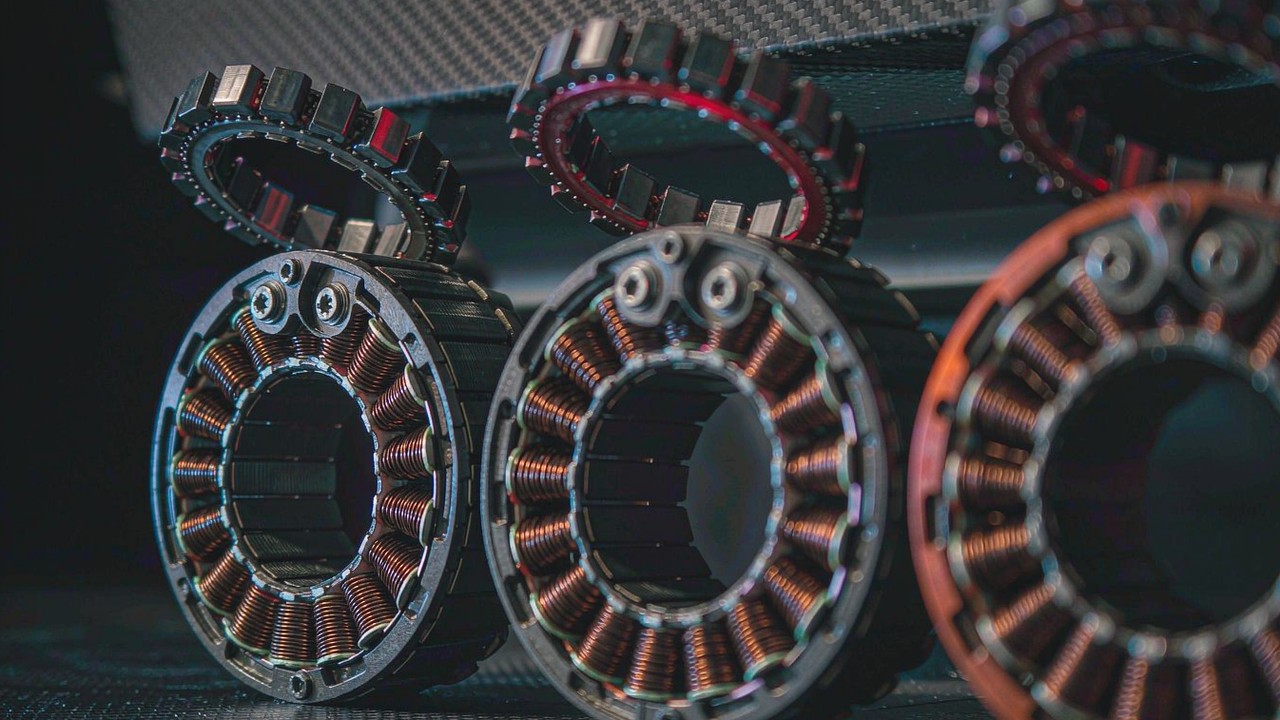
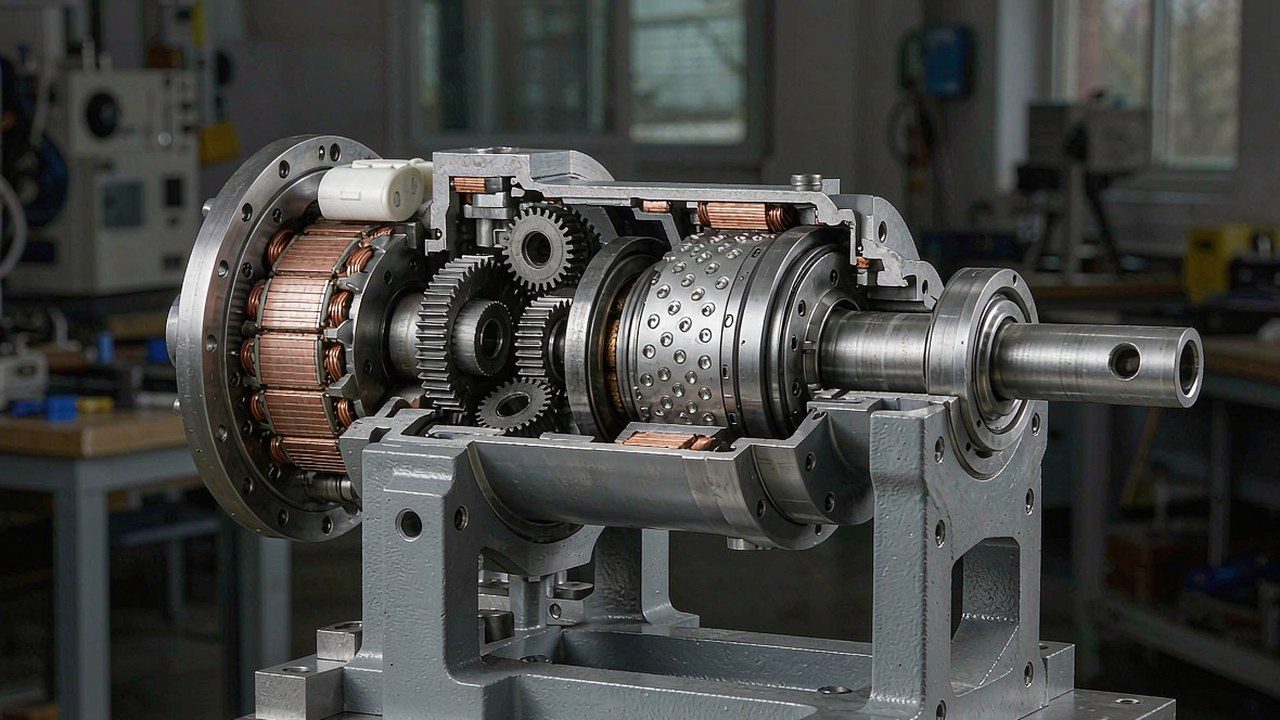
Quasi direct drive sits between two extremes. A direct-drive motor has no gear stage between rotor and load, so torque transparency and backdrivability are high, but it needs a large, heavy motor to produce useful joint torque; a high-ratio geared actuator produces that torque from a small motor but hides what the load is doing and resists being pushed. A quasi direct drive actuator takes the middle path with a low-ratio reduction stage - in this category, 8:1 - and accepts that neither property is optimal in exchange for a joint that behaves like a torque source while still being compact.
This guide covers what an 8:1 ratio actually changes, which figures decide a pick, and how the three models currently listed in the ToBMS Quasi Direct Drive Actuators category compare. Every figure below is taken from ToBMS product data or the manufacturer's published specification - none of it is estimated.
Quick Answer
A quasi direct drive actuator is an integrated joint module built around a low reduction ratio - 8:1 here - rather than the 50:1 to 100:1 typical of a positioning actuator. The low ratio keeps reflected inertia and gear friction low, so the joint remains torque-transparent enough to be commanded in impedance mode, while the reduction still multiplies motor torque into a useful output. All three models in this category share the same 8:1 stage, so they differ mainly in size, torque and voltage: 5 Nm rated in a 260 g body at one end, 55 Nm rated in a 1400 g body at the other.
What the 8:1 ratio actually changes
The reduction ratio is the single most consequential figure in this category, and its effects are worth separating.
Reflected inertia and torque transparency
Reflected inertia is the motor's and gearbox's inertia as seen from the output, and it scales roughly with the square of the ratio. That is why the ratio matters so much more than it might appear: an 8:1 stage reflects a fraction of the inertia that a 64:1 stage would, so a disturbance at the load is felt at the rotor and a torque command at the rotor is felt at the load. This is the property that makes a joint controllable as a torque source rather than only as a position axis, and it is the reason quasi direct drive modules are specified for legged robots and human-interaction devices rather than for slow positioning stages.
Backdrivability
Lower ratios generally improve backdrivability because less gear friction and lower reflected inertia stand between the rotor and the load. It is not a guarantee - the actual behaviour depends on gearbox design, friction, backlash, transmission efficiency, motor torque constant, control strategy and the load itself - but the direction is consistent, and an 8:1 module is generally easier to push by hand than a 64:1 unit of the same output torque. For a joint that has to comply with a person's movement, or one that must be moved during setup and maintenance, that is a design requirement rather than a convenience.
Torque for a given motor
An 8:1 stage multiplies motor torque by eight minus losses. That is enough to turn a modest motor into a useful joint actuator, but far less than a high-ratio stage would. The consequence is visible in the mass figures: delivering 55 Nm continuously at 8:1 requires a larger motor, and therefore a heavier module, than delivering the same torque through a 64:1 stage. In this category that trade is deliberate - the module is not optimised for torque per kilogram, it is optimised for controllability at a workable torque.
Backlash and what it costs
Because the ratio is low, the gear train is short, which limits how much backlash can accumulate across stages. That is a structural advantage of the topology: a single-stage 8:1 reducer has one mesh's worth of lost motion rather than several stacked in series. It does not eliminate backlash - the published figure for all three models here is 9 arcmin, so it should be treated as a comparative value; confirm the manufacturer's datasheet before a repeatability budget depends on it. What matters at this ratio is that fine position control and impedance control are both viable.
Supply voltage, current and heat
Two of the three models run on 48 V and one on 24 V, with peak currents of 12 to 72 A. At 8:1 an output torque of 55 Nm requires substantial motor torque and therefore substantial current - the AKE90-8 is rated at 21 A continuous and 72 A peak. Rated torque, not peak, is what that current has to be sustained within thermal limits for, and in a legged robot the duty cycle is what decides whether the module runs hot: a hip joint holding a static pose draws far less current than a knee absorbing a landing.
Specifications that actually decide the pick
With three models sharing one ratio, the differences are concentrated in a few figures.
Rated and peak torque
Rated torque is the continuous rating - what the module can hold within its thermal limits at the stated ambient and mounting condition. Peak torque is the maximum the manufacturer specifies under defined operating conditions, typically for short durations, and it is limited by winding temperature and magnet margins rather than by the mechanical strength of the output stage or bearings. A jump landing or an impact event has to be checked against what the output stage can survive, which is a separate question from the published peak figure. In this category rated torque spans 5 to 55 Nm and peak 12.5 to 170 Nm, a lift of roughly 2.5 to 3.1 times at each size.
Torque density and where it changes
Torque density only means something when the basis is stated. On a rated basis the three models here run at about 19, 21 and 39 Nm/kg; on a peak basis at about 48, 53 and 121 Nm/kg. The largest module is roughly twice as dense as the two smaller ones - a real difference, not a rounding artefact, and one that reflects a different motor and thermal design at the top of the range rather than a scaling of the same machine.
Output speed and KV
Rated output speeds are low - 120 to 180 rpm - which is the point of a joint module rather than a limitation. It is worth converting a requirement expressed in radians per second into output rpm before comparing, because at these speeds the differences between the three models are small: a joint that needs to move quickly is a different problem from one that needs to hold a load. KV runs from 30 to 80, and the highest KV belongs to the 24 V model, which is consistent with reaching a comparable output speed on a lower bus voltage.
Three quasi direct drive actuators compared
The table covers the integrated modules currently listed in the Quasi Direct Drive Actuators category, ordered from lightest to heaviest.
| Model | Reduction Ratio | Rated Torque | Peak Torque | Rated Voltage | Backlash | Weight |
|---|---|---|---|---|---|---|
| AKE60-8 KV80 | 8:1 | 5 Nm | 12.5 Nm | 24 V | 9 | 260 g |
| AKE80-8 KV30 | 8:1 | 12 Nm | 30 Nm | 48 V | 9 | 570 g |
| AKE90-8 KV35 | 8:1 | 55 Nm | 170 Nm | 48 V | 9 | 1400 g |
Reduction ratio, rated and peak torque, supply voltage, backlash and mass as published by the manufacturer. The backlash column states the figure in arcmin; it should be read as a comparative figure, and the manufacturer's datasheet should be confirmed before it is used in a repeatability budget.
All three share the same ratio and the same recorded backlash figure, which means the range is a single design scaled across three sizes rather than three different engineering compromises. What changes is substantial: a 5.4-fold mass increase from the smallest to the largest buys an 11-fold increase in continuous torque. Reading that the other way, the AKE90-8 is roughly twice as torque-dense as the AKE60-8 on a rated basis. The step between the AKE60-8 and the AKE80-8 is the more modest one - 260 g to 570 g for 5 to 12 Nm - and it is the pair most often weighed against each other when a joint design is at the boundary.
The current figures follow the same pattern but more sharply. The AKE60-8 and AKE80-8 are both rated at 4.8 A continuous and 12 A peak, which is a striking coincidence across a two-fold torque difference: the smaller module reaches 5 Nm rated from the same current, and the larger one reaches 12 Nm. That is the joint signature of a lower KV winding and a larger rotor operating at a different point on the torque-per-amp curve, and it is exactly the kind of detail that matters when the driver and power distribution are already fixed by another module in the design.
AKE60-8 KV80: 5 Nm in 260 g
The AKE60-8 KV80 is the smallest module in the category: a 260 g, 14 pole-pair unit delivering 5 Nm rated and 12.5 Nm peak torque through an 8:1 planetary stage on 24 V, with a 180 rpm rated output speed and 4.8 A rated / 12 A peak current. Its ToBMS overview frames it for compact humanoid and exoskeleton joints, where low inertia and compliance matter more than raw output.
Why the 24 V rating is the notable specification
Running an 8:1 module on a 24 V bus is a deliberate choice in a category where the larger units use 48 V. It keeps a small joint inside the same power architecture as the rest of a compact robot, which matters when a wearable device has to run from a single battery pack and a single distribution board. The cost is current: at the same output torque a 24 V module draws more current than a 48 V one, so the driver and cabling have to be specified accordingly. For a lightweight exoskeleton joint where the module is one of several, that is usually an acceptable trade; for a joint with a heavy continuous load it is not.
AKE80-8 KV30: the middle of the range
The AKE80-8 KV30 is the module most often cited for exoskeleton and legged-joint work: 570 g with 12 Nm rated and 30 Nm peak torque through the same 8:1 stage, on 48 V, with a 150 rpm rated output speed and 4.8 A rated / 12 A peak current. Its 21 pole pairs are the highest in the category, shared with the AKE90-8, and its ToBMS overview points to exoskeletons, rehabilitation robots and legged joints - the three duties where a joint has to be both strong enough to carry a person or a machine and compliant enough to be safe around one.
Where the extra mass buys something
Doubling the mass from the AKE60-8 to the AKE80-8 more than doubles the continuous torque while the current rating stays the same, which makes it the more efficient module per amp in this pair - a meaningful difference on a wearable, where battery mass is carried by the user. The 48 V bus also reduces the current needed for a given torque, so the module is easier to integrate into a distribution architecture designed around the larger AKE90-8. Where a robot mixes modules across joint sizes, sharing the 48 V bus and the same control interface across the range is worth more than the small mass saving of the smaller unit.
The manufacturer's footage of the AKE80-8 and AKE60-8 quasi direct drive modules driving compact joints. Since the entire case for this class is behavioural rather than numerical - low reflected inertia and backdrivability - seeing how the modules respond to load is more informative than the torque figures alone.
ToBMS video pageWatch on YouTubeAKE90-8 KV35: 55 Nm rated at 1400 g
The AKE90-8 KV35 is the largest module in the category and the one where the quasi direct drive idea is pushed hardest: 55 Nm rated and 170 Nm peak torque through an 8:1 stage on 48 V, in a 1400 g, 21 pole-pair body, with 21 A rated and 72 A peak current and a 120 rpm rated output speed. Its ToBMS overview targets humanoid legs, exoskeletons and high-dynamic joint modules.
What 55 Nm at 8:1 means in practice
Delivering 55 Nm continuously without a high-ratio gearbox requires a motor producing roughly 7 Nm at the rotor, which is why this module is 1400 g and why its rated current is 21 A. The payoff is a hip or knee joint that can be torque-controlled with a fraction of the reflected inertia a 50:1 module would present, and that remains backdrivable enough to be compliant - the two properties that make legged locomotion and human interaction workable. The 72 A peak current is the other side of the same coin: at this scale, the driver, connectors and cable cross-section are as much a part of the design as the module itself, and the peak figure is the one that sizing has to accommodate even though the duty will rarely reach it.
Why it is the densest module in the range
At roughly 39 Nm/kg rated and 121 Nm/kg peak, the AKE90-8 carries about twice the torque density of the two smaller modules. That is not a scaling artefact: a larger rotor radius produces more torque per unit of magnet and winding mass, which is why direct-drive and low-ratio machines benefit disproportionately from size. The same effect appears in the wider platform data - direct-drive gimbal motors and large frameless kits show the same trend - and it is the reason a single large module is often the better engineering choice than two smaller ones when the joint torque requirement sits at the top of the range.
Where quasi direct drive actuators are used
On ToBMS all three modules are associated with the same four applications, which is a clear statement about the intended duty.
Legged machines and wearable robotics
Humanoid robots, quadruped robots and exoskeletons all put impact loads through joints and need the machine to absorb or comply with them rather than resist. Low reflected inertia and backdrivability are what make that possible, and it is the reason this class exists separately from high-ratio joint modules.
Rehabilitation and joint modules
Rehabilitation robots and joint modules add a second requirement: the joint moves a person's limb, so torque control has to be predictable and backlash has to be small enough that position commands are repeatable. Where a joint is meant to be stiff and to hold a pose for long periods against gravity, a higher-ratio module is usually the better tool, and the Robotic Actuators category covers that end of the range.
Selection checklist
Quasi direct drive modules are specified for behaviour as much as for torque, so the checklist is shorter and the questions are sharper than for a positioning actuator.
Behaviour and duty
- Decide whether the joint has to be torque-controlled or only position-controlled. If impedance control is required, a low-ratio module is the starting point rather than an option.
- Calculate the worst-case output torque and check it against peak torque with margin, then confirm separately what shock the output stage can survive.
- Estimate continuous torque for the real duty cycle - a hip holding a static pose is a different load case from a knee absorbing a landing - and compare it to rated torque within the module's thermal limits at the mounting condition.
- Convert the required joint velocity into output rpm before comparing modules; at 120 to 180 rpm rated the three models are closer than their torque figures suggest.
Mechanics and integration
- Set a backlash budget and confirm the manufacturer's figure against their datasheet before a repeatability budget depends on it.
- Check mass against the module's position in the kinematic chain; a 1400 g module at a distal link has to be carried by every upstream joint.
- Confirm the supply voltage against the robot's bus, and the rated and peak current against the driver and power distribution.
- Check mounting pattern, connector type and cable routing before the joint design is frozen.
Frequently asked questions
QWhat does "quasi direct drive" mean?
It describes an actuator that uses a low reduction ratio - 8:1 in this category, against 50:1 to 100:1 for a typical positioning actuator - to keep reflected inertia and gear friction low enough that the joint stays torque-transparent, while still multiplying motor torque into a useful output. It is not direct drive, because a gear stage exists and it does introduce some backlash and friction. The point is that the stage is short enough that the joint still behaves like a torque source rather than only a position axis, which is what legged robots and human-interaction devices need.
QWhy 8:1 rather than a higher ratio?
Because reflected inertia scales roughly with the square of the ratio. An 8:1 stage presents a small fraction of the inertia a 64:1 stage would, so the controller can feel and command torque at the load rather than fighting the gearbox, and the joint remains backdrivable. The cost is efficiency of mass: producing 55 Nm at 8:1 requires a large, heavy motor, which is why the AKE90-8 weighs 1400 g for a torque a high-ratio module could deliver from a much lighter package. The choice is between controllability and torque per kilogram.
QCan peak torque be held continuously?
No. Peak torque is the maximum output torque specified under defined operating conditions, usually for short durations, and it is limited by winding and magnet temperature rather than by mechanical strength. Continuous duty has to be sized against rated torque within thermal limits at the module's mounting condition. In this category that means 5, 12 and 55 Nm continuously rather than 12.5, 30 and 170 Nm - and on a legged robot the duty cycle also decides whether the module is shortlisting on the right figure, since a joint holding a pose draws far less current than one absorbing a landing.
QDo these modules have backlash?
Yes, though less of it accumulates than in a multi-stage high-ratio reducer, because an 8:1 train is short - typically one mesh rather than several in series. The published figure for all three models here is 9 arcmin, so it should be treated as a comparative value only. For any design where position repeatability matters, confirm the figure against the manufacturer's datasheet, along with whether it refers to the output shaft, whether it was measured loaded or unloaded, and whether it is a new-unit or post-run-in value.
QShould I choose the 24 V or 48 V module?
Follow the robot's power architecture. The AKE60-8 runs on 24 V and the other two on 48 V, and for the same output torque a 24 V module draws more current, which pushes the driver and cable specification up. On a compact wearable where the whole system shares one small pack, 24 V can be the simplest answer; on a robot that already has a 48 V bus, the lower current and shared architecture usually outweigh the 310 g mass difference between the small module and the AKE80-8.
QWhen is a high-ratio actuator the better choice?
When the joint has to hold a heavy load against gravity for long periods and does not need to be pushed around. A high-ratio module produces far more output torque per kilogram, which is why the modules in the Robotic Actuators category reach over 200 newton-metres from under 1.5 kg. The trade is that reflected inertia and gear friction rise, so the joint becomes less torque-transparent and harder to backdrive. Hip and knee axes that mostly hold a pose, or load-holding axes in industrial devices, often belong there rather than in this category.
Official resources
CubeMars publishes a full product catalogue covering the AKE quasi direct drive range, and each model has an official product page with its complete specification, drawing and control documentation - for example the quasi direct drive actuator range. The manufacturer remains the source of truth for backlash figures, thermal ratings and firmware; ToBMS keeps the discovery layer searchable and comparable.
Where to go next
If the goal is to shortlist rather than to research, three tools on the platform do the work in sequence. Explore the full Quasi Direct Drive Actuators category to see every model and specification side by side, filter candidates by torque, voltage and mass in Select, then place them against each other in Compare Products. Where a joint has to be stiff and hold a heavy load rather than comply, the Robotic Actuators category covers the higher-ratio alternative, and Frameless Torque Motors is the starting point where the joint is built around a bare stator and rotor instead.
The short version: choose quasi direct drive when the joint has to be torque-controlled or backdrivable, size rated torque against the duty cycle and peak torque against the transient case, confirm the supply voltage against the robot's bus, and check the backlash figure in consistent units before a repeatability budget depends on it. Everything else - connectors, control modes, mounting - follows from those four.